

Why Telehealth Psychology Works for Busy Adults
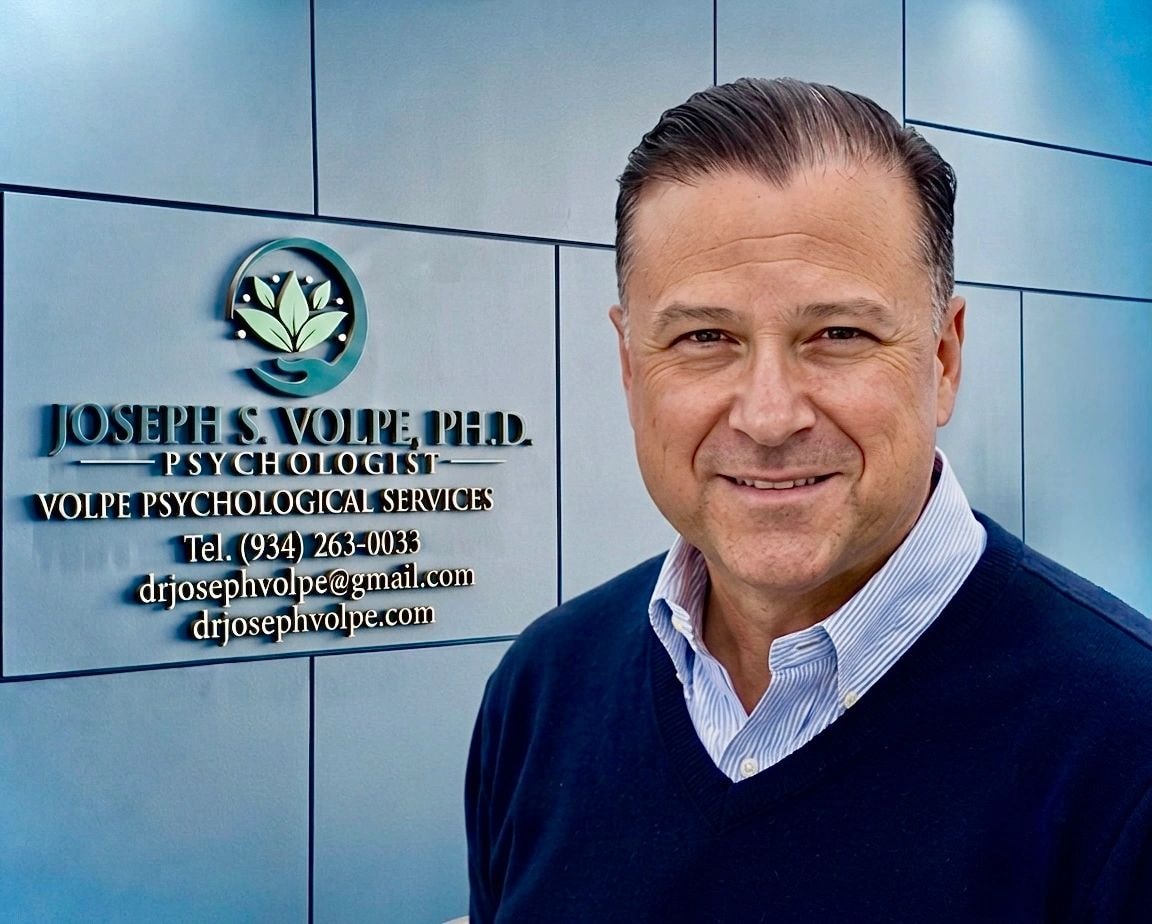
Joseph S. Volpe, Ph.D., Clinical Psychologist
When telehealth became widely available during the pandemic, many people assumed it was a temporary workaround — a stopgap until things returned to normal.
It did not turn out that way. For a significant portion of adults who tried telehealth for the first time, it was not a compromise. It was better.
Not better in every way, for every person. But for many adults — particularly those with demanding schedules, long commutes, or conditions like ADHD that make logistics challenging — telehealth removed barriers that had been quietly preventing them from getting help for years.
What the Research Actually Shows
The evidence base for telehealth psychology is now substantial. Multiple large-scale studies and meta-analyses have found that telehealth-delivered psychotherapy produces outcomes equivalent to in-person treatment for a wide range of conditions, including:
- ADHD assessment and treatment
- Anxiety disorders
- Depression
- PTSD and trauma-related conditions
- Adjustment disorders
The therapeutic relationship — the quality of connection between therapist and client, which is one of the strongest predictors of treatment outcome — develops effectively via video. Clients report feeling heard, understood, and supported in telehealth sessions at rates comparable to in-person care.
This is not surprising when you consider that the core of effective psychotherapy is not the physical setting. It is the quality of attention, the skill of the clinician, and the work that happens between sessions.
Why It Works Especially Well for Busy Adults
For adults managing careers, families, and the demands of daily life, the logistics of in-person therapy can be a significant obstacle.
No commute. A 50-minute therapy session that requires 30 minutes of driving each way is a two-hour commitment. Telehealth reduces that to the session itself — plus the time to close your laptop.
Scheduling flexibility. Telehealth providers can often offer earlier morning, later evening, or midday appointments that would not be feasible if clients had to travel to an office. For adults with demanding work schedules, this flexibility is often the difference between getting care and not getting it.
Reduced friction for ADHD. For adults with ADHD, the executive function demands of getting to an appointment — remembering it, preparing for it, leaving on time, navigating traffic — can be genuinely challenging. Telehealth removes most of that friction. You are already home. You open a link. You are there.
Continuity during disruption. Travel, illness, bad weather, a child home sick — any of these can derail an in-person appointment. Telehealth sessions can often continue through disruptions that would otherwise mean cancellation and a gap in care.
Access across geography. Long Island is large, and specialists are not evenly distributed. Telehealth makes it possible to work with a psychologist who specializes in your specific concerns — ADHD, trauma, anxiety — regardless of whether they have an office near you.
Common Concerns — and Honest Answers
"Is it as private as an in-person session?"
Telehealth sessions conducted through HIPAA-compliant platforms are private. The main variable is your environment — you need a space where you can speak freely. Many clients use their car, a private office, or a room with a white noise machine outside the door.
"Will I feel as connected to my therapist?"
Most clients report that the therapeutic relationship develops naturally via video. Some people actually find it easier to open up from the comfort of their own space. The initial session or two may feel slightly different, but the connection typically develops quickly.
"What about testing and assessment?"
Comprehensive psychological evaluations — including ADHD evaluations — can be conducted via telehealth. Standardized rating scales, clinical interviews, and record review all work well in a remote format, and when cognitive or neuropsychological testing is clinically indicated, validated testing platforms allow for reliable remote administration. The evaluation process is adapted for the telehealth environment while maintaining the rigor of in-person assessment.
"Is it covered by insurance?"
Telehealth coverage has expanded significantly. Many insurance plans now cover telehealth services at the same rate as in-person care. It is worth checking with your specific plan, but coverage is far more common now than it was a few years ago.
Who Benefits Most
Telehealth is not the right fit for every situation. Some presentations — acute psychiatric crises, certain severe conditions — are better served by in-person or higher levels of care.
But for the majority of adults seeking outpatient psychological services — ADHD evaluation and treatment, anxiety, depression, trauma, adjustment difficulties — telehealth is a fully effective option. And for adults with busy lives, demanding schedules, or conditions that make logistics challenging, it is often the option that actually gets used.
At Volpe Psychological Services, P.C., Dr. Volpe has provided telehealth services to adults across Long Island and throughout New York State since the practice's founding; in-person appointments are also available. If you have been putting off getting help because the logistics felt too complicated, telehealth may be the answer you have been looking for.
The work is the same. The results are the same. The commute is not.
Ready to take the next step?
Dr. Volpe is accepting new clients via telehealth throughout New York State.
Schedule a ConsultationAbout Volpe Psychological Services, P.C.
Joseph S. Volpe, Ph.D. is a licensed Clinical Psychologist and School Psychologist with over 30 years of experience providing psychological services for adolescents and adults, specializing in ADHD evaluation and treatment, executive-function difficulties, anxiety, depression, and traumatic stress. He is an ADHD Certified Clinical Services Provider (ADHD-CCSP), a Board Certified Telehealth Professional, and a Certified Clinical Trauma Professional (CCTP). Dr. Volpe holds an Adjunct Professor appointment in the Department of Counseling and Mental Health Professions at Hofstra University's School of Health Sciences and is co-author of two nationally recognized crisis response guides used in schools and universities.
Dr. Volpe is the Executive Director of Volpe Psychological Services, P.C., which provides comprehensive evaluation and treatment services for adolescents and adults throughout New York State — including ADHD evaluations, learning disability assessments, and treatment for anxiety, depression, and traumatic stress. Most services are provided through secure telehealth throughout New York State, with in-person appointments available.