

Trauma and the Holidays: Navigating Difficult Family Dynamics
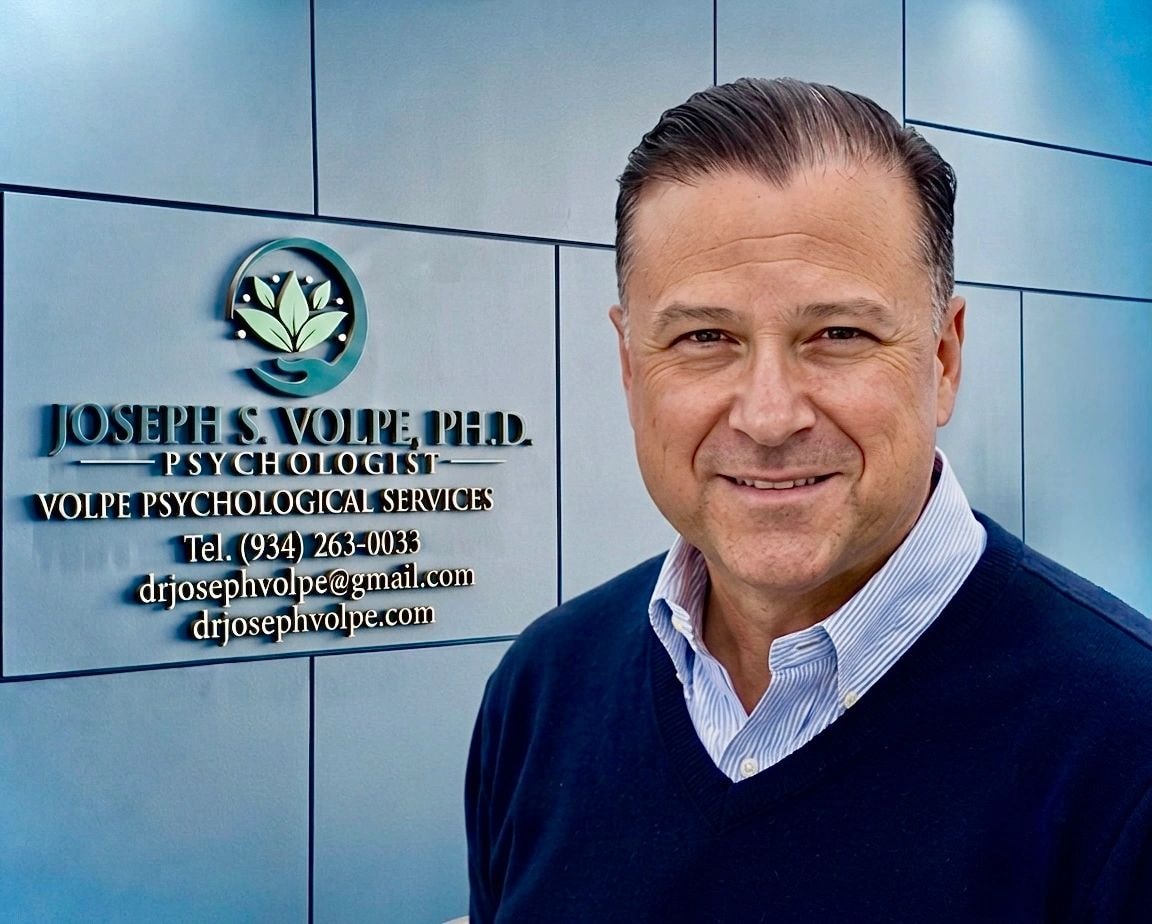
Joseph S. Volpe, Ph.D., Clinical Psychologist
For many people, the holidays mean going home. And for survivors of childhood trauma, "going home" can mean returning — literally or emotionally — to the environment where the trauma occurred.
The family gathering that others experience as warm and nostalgic can, for a trauma survivor, be a minefield of triggers: the smell of a particular food, a tone of voice, a familiar dynamic that hasn't changed in thirty years. The body remembers, even when the mind tries to stay present.
This is not weakness or oversensitivity. It is the nervous system doing exactly what it was trained to do — scanning for danger in an environment where danger once existed.
Why the Holidays Are Particularly Hard for Trauma Survivors
Several features of the holiday season make it especially challenging for people with trauma histories.
Forced proximity to difficult people. The holidays create social pressure to spend time with family members who may have been abusive, neglectful, or otherwise harmful. The cultural expectation of family togetherness can make it difficult to set limits without guilt or conflict.
Sensory and environmental triggers. Trauma memories are encoded with sensory detail — sights, sounds, smells, physical sensations. Returning to a family home, or even encountering familiar holiday sensory cues, can activate trauma responses that feel sudden and disorienting.
Disrupted routines and self-care. The holidays disrupt the routines — sleep, exercise, therapy appointments, time alone — that trauma survivors often rely on to maintain stability. This disruption reduces the capacity to manage stress and emotional reactivity.
Grief and loss. The holidays amplify grief, including grief for the childhood that was not had, the family that was not safe, or the relationships that were damaged or lost as a result of trauma.
Alcohol and substances. Holiday gatherings often involve alcohol, which can lower inhibitions, escalate conflict, and make difficult people more difficult. For survivors of trauma that occurred in environments where substance use was present, this can be particularly activating.
Pressure to perform normalcy. There is often an unspoken expectation at family gatherings that everyone will act as though everything is fine — that old wounds will be set aside in the spirit of the season. This pressure to perform normalcy while managing internal distress is exhausting and can feel invalidating.
Strategies for Protecting Yourself
Give yourself permission to prioritize your safety
Your wellbeing is not less important than family expectations or holiday traditions. If attending a particular gathering is genuinely harmful to you — if it reliably destabilizes you, triggers significant trauma responses, or puts you in proximity to someone who has harmed you — you are allowed to not go. Or to go briefly. Or to leave early.
This may involve disappointing people. That is a real cost. But it is a cost worth weighing honestly against the cost of attending.
Plan your limits in advance
Decide before you arrive what you will and won't engage with. Which topics will you decline to discuss? What is your exit strategy if things escalate? How long will you stay? Having a plan reduces the cognitive and emotional load in the moment, when it is hardest to think clearly.
Identify your anchors
An anchor is something that helps you stay grounded in the present when your nervous system is pulling you toward the past. This might be a physical sensation (feeling your feet on the floor, holding something cold), a brief breathing exercise, a text to a trusted person, or stepping outside for a few minutes. Know your anchors before you need them.
Protect your recovery time
Plan for the fact that difficult family interactions will cost you something. Build in recovery time — time alone, time with safe people, time to do whatever helps you regulate — before and after gatherings. Don't schedule a difficult family event immediately before or after other demanding obligations.
Stay connected to your support system
The holidays are not the time to take a break from therapy, from supportive friendships, or from the practices that help you stay regulated. If anything, this is the time to increase contact with your support system, not decrease it.
Prepare for triggers
If you know that certain environments, people, or interactions are likely to activate trauma responses, you can prepare for them rather than being caught off guard. Talk with your therapist in advance about what you are anticipating. Develop a specific plan for what you will do if you are triggered.
A Note on Estrangement
Some trauma survivors have made the decision to limit or end contact with family members who were abusive or harmful. The holidays can make this decision feel more fraught — the cultural emphasis on family togetherness can intensify guilt and second-guessing.
If you have made a considered decision to limit contact with someone who has harmed you, the holidays do not change the validity of that decision. Estrangement is sometimes the healthiest choice available, and it is not a failure.
When to Seek Professional Support
If the holidays consistently bring significant distress — if you are experiencing trauma symptoms, significant anxiety, or depression in anticipation of or following family gatherings — professional support is appropriate and effective.
At Volpe Psychological Services, P.C., Dr. Volpe is a Certified Clinical Trauma Professional (CCTP) with extensive experience working with adults who have experienced trauma within family systems. We provide trauma-informed assessment and treatment across Long Island and throughout New York State. Most services are provided through secure telehealth throughout New York State, with in-person appointments available.
You do not have to navigate this alone. And you do not have to keep returning to the wound every year without support.
Ready to take the next step?
Dr. Volpe is accepting new clients via telehealth throughout New York State.
Schedule a ConsultationAbout Volpe Psychological Services, P.C.
Joseph S. Volpe, Ph.D. is a licensed Clinical Psychologist and School Psychologist with over 30 years of experience providing psychological services for adolescents and adults, specializing in ADHD evaluation and treatment, executive-function difficulties, anxiety, depression, and traumatic stress. He is an ADHD Certified Clinical Services Provider (ADHD-CCSP), a Board Certified Telehealth Professional, and a Certified Clinical Trauma Professional (CCTP). Dr. Volpe holds an Adjunct Professor appointment in the Department of Counseling and Mental Health Professions at Hofstra University's School of Health Sciences and is co-author of two nationally recognized crisis response guides used in schools and universities.
Dr. Volpe is the Executive Director of Volpe Psychological Services, P.C., which provides comprehensive evaluation and treatment services for adolescents and adults throughout New York State — including ADHD evaluations, learning disability assessments, and treatment for anxiety, depression, and traumatic stress. Most services are provided through secure telehealth throughout New York State, with in-person appointments available.